01
You have a site, a concept, and a technology direction, but the project plan is not yet lender-ready.
Controlled-environment agriculture advisory
Advisory for controlled-environment agriculture and energy-integrated food infrastructure.
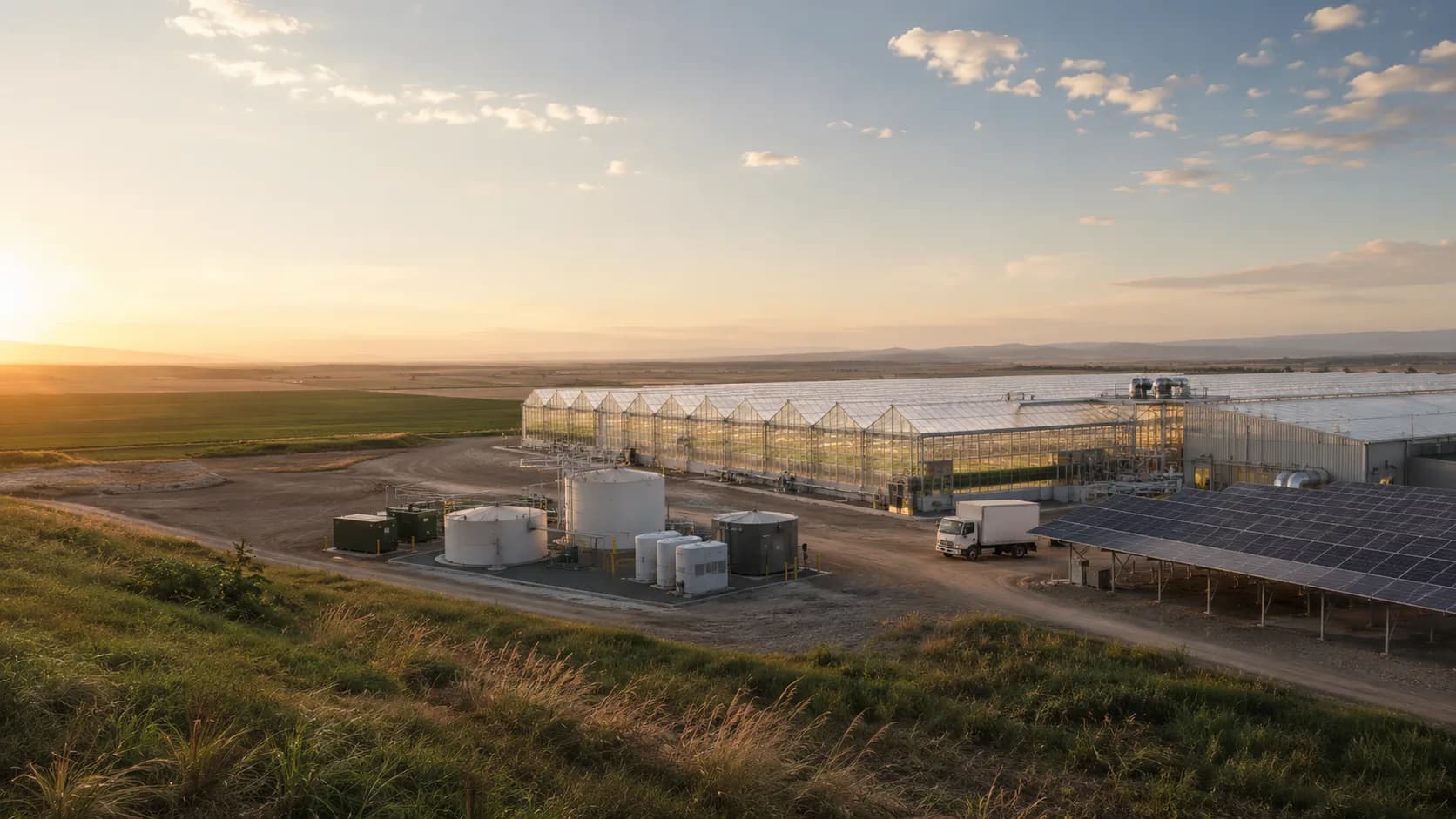
FieldGrid helps project sponsors, growers, operators, and technology partners move complex agtech infrastructure projects from concept to commercial execution.
What FieldGrid Helps Solve
FieldGrid is built for moments when the opportunity is real, but the project still needs sharper assumptions, cleaner sequencing, and stakeholder-ready materials.
01
You have a site, a concept, and a technology direction, but the project plan is not yet lender-ready.
02
You are evaluating vertical farming, greenhouse production, or hybrid CEA models and need help pressure-testing the operating assumptions.
03
You are combining food production with renewable energy, waste-to-value, or campus infrastructure and need a clearer commercial story.
04
You need to prepare materials for investors, lenders, vendors, public partners, or technology providers.
05
You need someone who can translate between growers, operators, engineers, technology providers, and capital stakeholders.
Who We Help
FieldGrid works with groups navigating the intersection of controlled environments, project development, technology partnerships, and capital-facing execution.
Project framing, commercial assumptions, implementation planning, and readiness support for capital and technology conversations.
Expansion, automation, energy, and partner decisions reviewed through the lens of practical controlled-environment production.
Go-to-market, implementation, and partner ecosystem support for teams bringing infrastructure-adjacent technology to market.
Planning support for campuses that combine production, land, utilities, renewable power, waste streams, and phased execution.
Independent advisory for sequencing decisions, stakeholder alignment, project risk, and execution-focused materials.
Clear review of project logic, operating assumptions, partner roles, and the questions that matter before resources are committed.
Services
The work is structured around the questions sponsors and partners need to answer before a project can be credibly financed, built, operated, or commercialized.

Clarify the development path, decision sequence, stakeholder needs, and materials required to move a project forward.
Evaluate production models, operating assumptions, technology fit, and commercialization risks across CEA formats.
Support planning conversations around IGS-related implementation considerations while preserving independent advisory judgment.
Shape the commercial story and execution logic for food infrastructure tied to energy, utilities, and campus-scale development.
Pressure-test assumptions, roles, revenue logic, cost exposure, staffing needs, and operational readiness.
Translate project complexity into practical decks, briefs, diligence responses, and partner-ready narratives.
Identify gaps, dependencies, decision gates, and the work needed before a project can credibly proceed.
Deliverables
FieldGrid support often turns into practical documents and reviews that help teams align internally and engage outside stakeholders with more clarity.
Project readiness memo
Lender / investor deck review
Partner brief
Risk register
Operating model or commercial assumptions review
Engagement Models
Engagements are scoped to the stage of the project, the decisions in front of the team, and the level of advisory support required.
Option 1
Focused calls and working sessions for targeted questions, decision support, document review, or early project orientation.
Option 2
Ongoing access for sponsors, operators, or technology partners who need steady commercial, project, and ecosystem support.
Option 3
Defined workstreams for strategy, readiness review, partner materials, market planning, or project development support.
Engagement Readiness
FieldGrid can help shape early thinking, but the most productive engagements usually begin with a clear owner, a near-term decision, and a willingness to separate facts from assumptions.
The work moves faster when one person can frame the question, coordinate input, and decide what good support looks like.
FieldGrid is most useful when there is a specific partner, capital, technology, operating, or sequencing decision to sharpen.
Existing decks, notes, models, vendor inputs, or site constraints help turn advisory time into practical review and next steps.
The goal is not to make the project sound bigger. It is to clarify what is credible now, what is still unknown, and what comes next.
How We Work
01
Establish where the project sits today, what is known, what is assumed, and which decisions are blocking progress.
02
Define the next decision gates, stakeholder questions, partner dependencies, and materials needed to move with confidence.
03
Turn the plan into practical briefs, decks, reviews, and working sessions that help sponsors engage partners and capital.
About Steve
FieldGrid was created to help project sponsors and operators turn complex food-infrastructure concepts into clearer plans, stronger stakeholder materials, and better execution pathways.

Founder / Advisor
Practical advisory for teams evaluating, developing, commercializing, or improving technology-enabled food infrastructure projects.
Steve brings experience across controlled-environment agriculture, agtech operations, North American market development, project commercialization, and technology-enabled food infrastructure.
FieldGrid helps sponsors and operators make complex project decisions easier to understand, easier to sequence, and easier to present to the partners who need to believe the plan can be executed.
Based in the U.S.; supporting North American controlled-environment agriculture and agtech infrastructure projects.
Independence note
FieldGrid Advisory is an independent advisory practice. References to specific technology ecosystems, including IGS-related implementation considerations, reflect market and project experience only. FieldGrid does not represent IGS and is not an official IGS channel.
Contact
Share the project stage, the decision you are trying to make, and the kind of support you need. FieldGrid uses email links only and does not collect form submissions on this site.
Helpful Details
Include what is known today and the decision that needs sharper support. Attachments are optional; a short project snapshot is often the best first step.
This site uses mailto links only and does not collect form submissions.